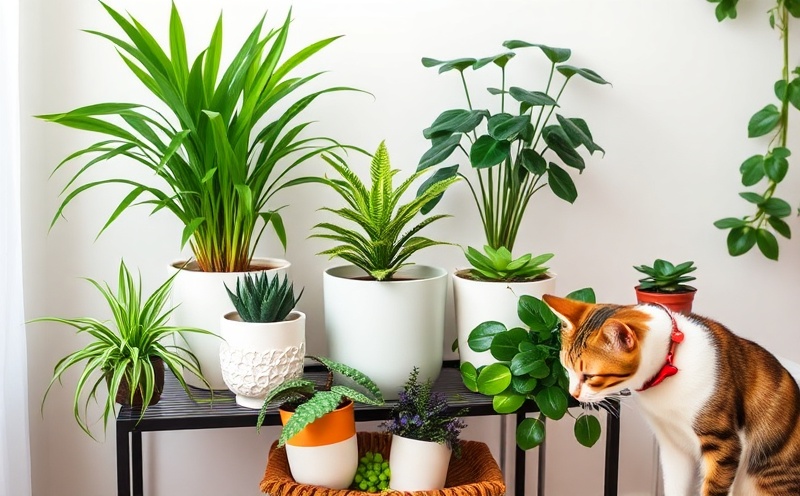
If you’re a cat owner who loves plants, you’ve probably worried about toxic houseplants. The good news? There are plenty of beautiful, cat-safe plants that let you create the green home you’ve always wanted—without the guilt or danger.
Why Pet Safety Matters
Cats are curious creatures. They like to investigate, chew, and play with plants. Some houseplants can cause serious health issues if ingested, including vomiting, diarrhea, lethargy, and organ damage. Knowing which plants are safe is essential for responsible plant parenting alongside cat parenting.
The Best Cat-Safe Plants
Spider Plant
Why cats love it: The arching leaves move when touched, making it irresistible to cats.
Why it’s safe: Completely non-toxic to cats. In fact, eating spider plants is harmless (though it may cause mild digestive upset).
Care: Extremely easy. Low light tolerant, doesn’t need much water. It’s nearly impossible to kill.
Pro tip: Provide a spider plant specifically for your cat to chew on. It’s a good distraction from other plants.
Boston Fern
Why cats love it: Feathery fronds are fun to bat at (and for you to enjoy their beauty).
Why it’s safe: Completely safe for cats. Zero toxicity concerns.
Care: Loves humidity. Place in a bathroom or mist regularly. Keep soil consistently moist.
Pro tip: Boston ferns are delicate and may get damaged by curious cats. Place in a spot cats can’t easily access while still being visible.
African Violet
Why cats love it: Short, fuzzy plants appeal to cats’ tactile nature.
Why it’s safe: Completely safe for cats. No toxins whatsoever.
Care: Prefers bright, indirect light. Water from below to avoid wetting leaves. Moderate watering.
Pro tip: Keep on a high shelf or table to protect from curious paws.
Prayer Plant (Maranta)
Why cats love it: Leaves fold up at night in a prayer position—visually interesting and safe to explore.
Why it’s safe: Completely non-toxic to cats.
Care: Prefers humid environments. Indirect light is best. Keep soil moist but not waterlogged.
Pro tip: These plants are sensitive to cold, so keep away from drafts.
Calathea
Why cats love it: Striking patterned leaves are mesmerizing.
Why it’s safe: Completely safe for cats. Zero concerns.
Care: Loves humidity. Indirect light required. Sensitive to tap water—use filtered water.
Pro tip: These plants are more demanding but absolutely worth the effort for their beauty and pet safety.
Parlor Palm
Why cats love it: Tall, tropical vibe with interesting texture.
Why it’s safe: Non-toxic to cats. A great low-toxicity alternative to true palms.
Care: Indirect light, moderate watering, tolerates some neglect. Grows slowly indoors.
Pro tip: This palm can get tall—great for adding height to a room without toxicity concerns.
Bamboo Palm
Why cats love it: Similar appeal to parlor palm with interesting leaf texture.
Why it’s safe: Completely safe for cats.
Care: Indirect to bright light. Moderate watering. Can tolerate some dryness.
Pro tip: Great for corners or as a statement plant.
Christmas Cactus
Why cats love it: Trailing growth and interesting texture.
Why it’s safe: Non-toxic to cats.
Care: Bright, indirect light. Well-draining soil. Water less frequently than other plants.
Pro tip: Blooms with pretty flowers if given a cool rest period in winter.
Mum (Chrysanthemum)
Why cats love it: Colorful flowers are visually interesting.
Why it’s safe: Actually toxic to cats! Wait, this one is NOT safe. Never keep mums around cats. (This is here to remind you which plants to avoid!)
Plants to AVOID at All Costs
These common houseplants are toxic to cats:
- Lilies (extremely toxic—even small amounts can cause kidney failure)
- Sago Palm (highly toxic)
- Oleander (very toxic)
- Dieffenbachia (toxic)
- Philodendrons (toxic to cats)
- Jade Plants (mildly toxic)
- Aloe (toxic)
- Ivy (toxic)
- Azalea (very toxic)
- Poinsettia (mildly toxic)
- Daffodil (toxic)
The Yellow Cat Safety List
ASPCA maintains an official list of toxic and non-toxic plants. When in doubt, check their website before bringing a plant home.
Cat-Proofing Your Plants
Even with safe plants, curious cats can cause problems:
Protect your plants:
- Use hanging planters out of cat reach
- Place plants on high shelves or furniture
- Use glass plant cloches to cover plants
- Keep trailing plants away from favorite cat lounging spots
- Use decorative plant stands to elevate plants
Deter cats from plants:
- Sprinkle cayenne pepper around pots (harmless, but most cats hate it)
- Use motion-activated air sprays
- Place citrus peels around plants (cats hate the smell)
- Provide attractive alternatives (cat grass, cat-safe plants they can enjoy)
Offer alternatives:
- Plant cat grass in a pot specifically for your cat
- Provide a pet-safe plant your cat can safely nibble
- This redirects their plant-chewing urges
Creating a Cat-Safe Plant Display
On floor or low shelves:
- Spider plants (sturdy enough for cat interaction)
- Boston ferns (less fragile if placed carefully)
- Christmas cactus (trailing varieties out of reach)
On high shelves:
- Calathea (beautiful but sensitive to rough handling)
- Prayer plants (visually interesting from a distance)
- African violets (protected from curious paws)
Hanging:
- Parlor palm (too tall for cats to reach)
- Trailing spider plants (safe to nibble slightly)
- Hanging ferns (out of reach but visible)
What to Do If Your Cat Eats a Toxic Plant
Immediate steps:
- Don’t panic
- Call your veterinarian immediately
- Have the plant name ready when you call
- Describe what your cat ate and when
- Watch for symptoms (vomiting, lethargy, loss of appetite)
Never: Wait to see if symptoms develop. Some plant toxins work slowly. Veterinary intervention saves lives.
Creating a Thriving Cat-Safe Jungle
You absolutely can have a beautiful, lush plant collection with cats. It just requires being intentional about plant choices and placement. Start with spider plants and calatheas, expand to ferns and prayer plants, and soon you’ll have a gorgeous green home where both you and your cat are safe and happy.
Your cat’s safety and your plant dreams aren’t mutually exclusive. Build your collection with confidence!